
A Faith-Based Approach in TN & MS: What Makes Values-Driven Early Education Meaningful at Cornerstone Learning Center
Quick Answer
At Cornerstone Learning Center, values-driven early education blends faith, learning, and care into everyday moments. Through stories, prayer, play, and meaningful relationships, children grow academically, socially, and spiritually in a supportive community.
What Does Values-Driven Early Education Look Like for Young Children?
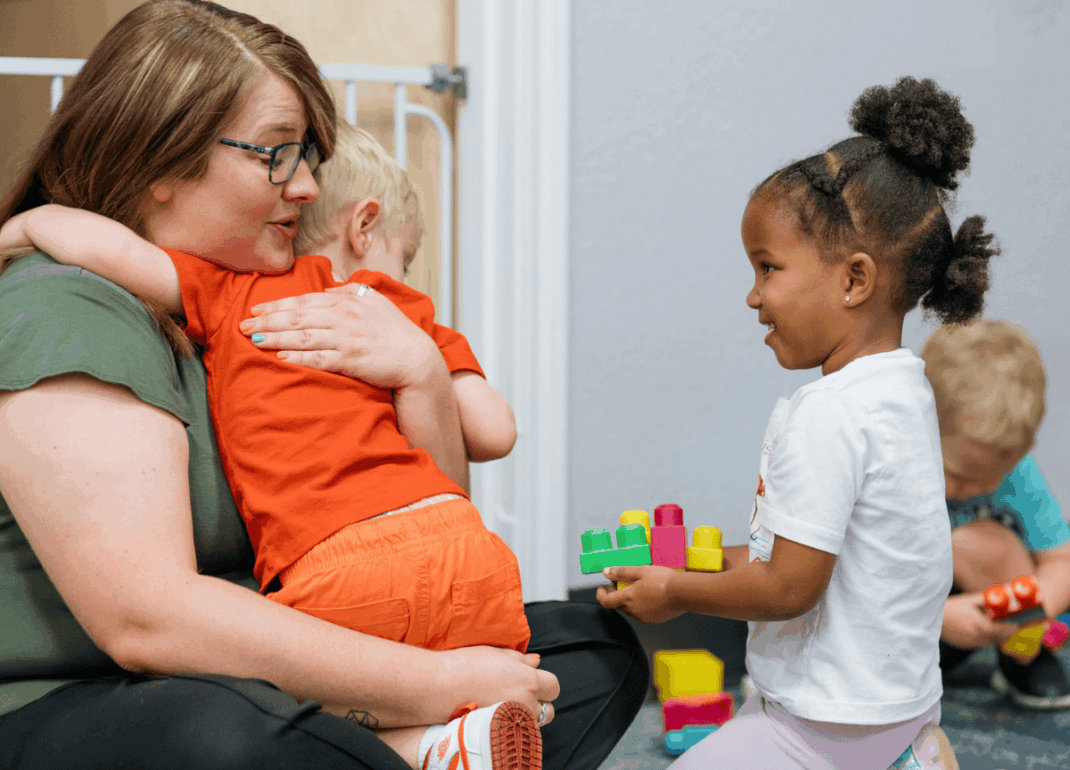
Many parents wonder how faith fits naturally into a child’s school day. In early childhood, values are learned through daily experiences, caring interactions, and consistent routines that help children feel safe, seen, and supported.
In our classrooms, faith is present in how teachers speak to children, guide behavior, and encourage kindness and respect. This approach reflects a whole-child approach to faith-based early education that supports children’s emotional, social, spiritual, and academic growth together.
You’ll see this values-driven approach through everyday moments like
- warm greetings and calm transitions
- thoughtful conversations about feelings and choices
- consistent expectations rooted in care and respect
- a strong sense of classroom community
Growing Spiritual and Ethical Understanding
Young children are naturally curious about the world around them. Faith-based learning offers gentle opportunities to explore ideas like gratitude, compassion, and responsibility in ways that feel meaningful and age-appropriate.
Through stories, songs, and shared reflections, children begin to build an early sense of right and wrong. These experiences help support
- empathy and care for others
- emotional awareness
- respect for differences
- thoughtful decision-making
This foundation helps children understand how their actions affect others and how they can contribute positively to their community.
Nurturing the Mind and the Spirit Together
Children learn best when they feel emotionally secure. A faith-based environment supports both intellectual growth and inner well-being by creating calm, predictable spaces where children know they are cared for.
Hands-on learning, play, and exploration allow children to build confidence and curiosity. Faith supports this process by encouraging
- patience during challenges
- perseverance when learning feels hard
- trust in themselves and their teachers
Together, these experiences help children approach learning with confidence and joy.
Faith in Daily Classroom Life
Faith shows up in everyday routines rather than formal lessons. Children may begin the day with a simple prayer, listen to Bible stories shared through music or art, or talk about caring for others during group time.
Teachers model values through daily interactions, helping children practice
- kindness and gratitude
- forgiveness and understanding
- cooperation and service
These consistent practices help children see faith as part of everyday life, expressed through actions and relationships.
How Faith-Based Learning Supports Whole-Child Development
When values guide daily learning, children benefit in many meaningful ways. Faith-based education supports whole-child development by nurturing
- emotional security and confidence
- social skills and cooperation
- a sense of belonging
- early moral understanding
- care for others and the wider community
This approach aligns with research-informed faith-based early learning practices that emphasize supporting children’s growth across all areas of development in thoughtful, age-appropriate ways.
Frequently Asked Questions
How is faith included in a child’s daily routine?
Faith is shared through simple practices like prayer, stories, songs, and conversations about kindness and gratitude that feel natural and age-appropriate.
Is faith-based learning appropriate for young children?
Yes. Faith-based early education focuses on values children can understand, such as caring for others, patience, and respect.
How are kindness and compassion taught in the classroom?
Teachers model positive behavior and guide children through real-life moments, helping children practice empathy, cooperation, and responsibility each day.
Does faith-based learning support kindergarten readiness?
Faith-based programs support readiness by nurturing social skills, emotional confidence, self-regulation, and a love of learning alongside academic growth.
A Thoughtful Start Rooted in Faith®
At Cornerstone Learning Center, faith and learning come together through everyday moments of care and connection. If you’d like to experience our classrooms and community in person, we invite you to schedule a tour at Cornerstone Learning Center in Mississippi and Tennessee, and see how our values guide each child’s day.
Related Posts
All Posts
What Faith-Based Preschool Curriculum Covers and Why It Matters
Inside Christian Preschool Classrooms: Where Faith and Learning Grow Together